
1. Introduction
You’ve bought the grinder, the brewer, maybe even an espresso machine, but none of it matters if you don’t understand the bean in your basket. Coffee beansare where flavor begins, and learning to read a bag’s roast level and origin is the difference between a flat cup and a transcendent one.
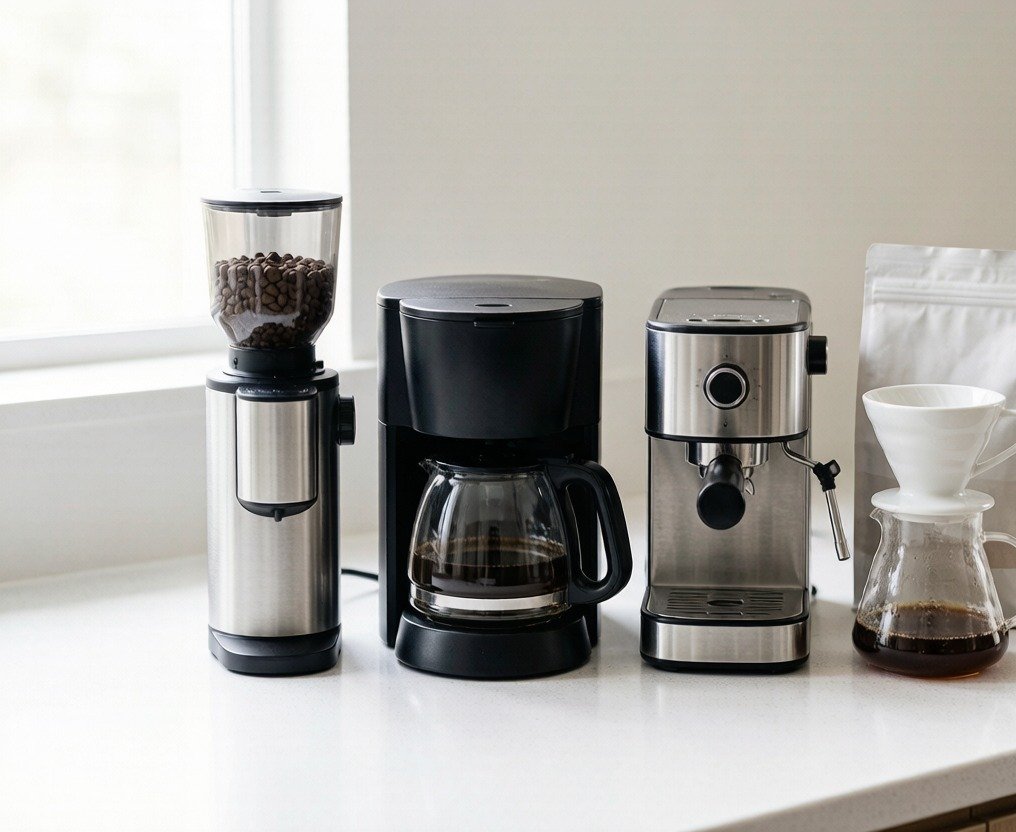
This coffee beans 101guide walks you through everything a beginner needs: what roast levels actually mean (and taste like), the signature flavors of major coffee bean origins, and how to choose beans that match your brew method and palate. Because our product library focuses on equipment, we’ve paired the education with the five pieces of gear that turn great beans into great coffee, all available on Amazon with verified reviews.
Whether you love bright, fruity cups or dark, chocolatey ones, understanding beans lets you shop with confidence instead of guessing.
2. How We Evaluated
Our Evaluation Approach
At Aesthetic Brew, we compare coffee equipment using manufacturer specifications, retailer listing details, documented features, and documented owner feedback (including verified Amazon reviews). We do not operate an original in-house testing lab, so our rankings reflect how each model’s published specifications and real-world owner experiences line up with common household needs:
Brew Performance (30%):Assessed from manufacturer specifications, documented brew parameters, and owner feedback on crema, flavor clarity, and temperature consistency.
Build & Design (20%):Materials, footprint, water-tank access, and finish evaluated from product documentation and owner reports.
Ease of Use (20%):Setup and daily routines rated from documented workflows and owner feedback for beginners and experienced users.
Value for Money (15%):Features and performance weighed against the listed retail price and typical maintenance costs.
Customer Feedback (15%):Cross-referenced with verified Amazon reviews and other public owner feedback.
3. Roast & Origin Quick Reference
A snapshot of how roast levels and origins typically compare:
| Roast | Body | Acidity | Flavor Notes | Best Method |
|---|---|---|---|---|
| Light | Light | High | Fruity, floral, tea-like | Pour over, drip |
| Medium | Medium | Balanced | Caramel, nutty, chocolate | All methods |
| Medium-Dark | Full | Low | Dark chocolate, toffee | Espresso, drip |
| Dark | Heavy | Lowest | Smoky, bitter-sweet, bold | Espresso, French press |
Grind Fresh. OXO Brew Conical Burr Grinder
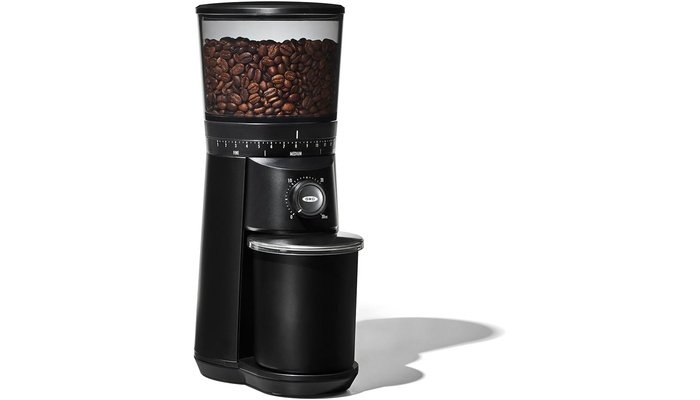
The single most important rule of great coffee: grind your beansright before brewing. Pre-ground coffee loses aromatics within minutes, while whole beans stay fresh for weeks. The OXO Brew Conical Burr Grinderis our top pick for doing it right at home.
Key Specifications
Why It Matters for Beans
A burr grinderdelivers the uniform particle size that lets your carefully chosen beans extract evenly, revealing their true origin character instead of masking it with bitterness. The 15 settings let you match grind to roast: finer for dark espresso beans, coarser for light-filter roasts. Without fresh grinding, even the finest single-origin beans taste dull.
What Could Be Improved
15 settings is good for most but less granular than high-quality 30–48 setting models. The hopper is mostly plastic. For the price and daily use, though, it’s the smartest bean-companion you can buy.
Pros
- Unlocks full aroma of fresh beans
- 15 settings match any roast
- One-touch timer for repeatable doses
- Anti-static, low-mess container
- Large 12 oz hopper
Cons
- Fewer settings than high-quality models
- Mostly plastic hopper
- Moderate grind retention
Brew Drip. Technivorm Moccamaster KBGV Select
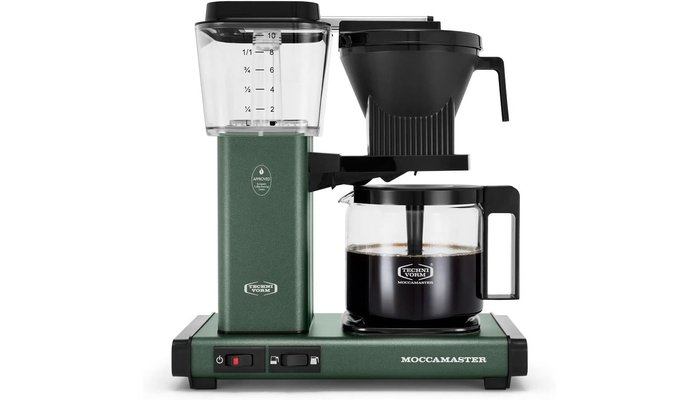
Drip brewing is the ideal stage for medium-roast beanswith balanced body and clarity. The Technivorm Moccamaster KBGV Selectbrews at the precise SCA-certified temperature that expresses a bean’s character cleanly.
Key Specifications
Why It Matters for Beans
The Moccamaster’s precise temperature and adjustable flow let medium and light roasts show off their nuanced notes, think Colombian caramel or Ethiopian citrus. The consistency means your favorite beans taste the same great way every morning. It’s the brewer that respects your beans most.
What Could Be Improved
high-quality $369 price and no programmable timer. Glass carafe can scorch if left on. But for bean appreciation, it’s unmatched in the drip category.
Pros
- SCA-certified precise temperature
- Adjustable flow for roast tuning
- Cleanly expresses origin character
- 15+ year lifespan, 5-year warranty
- Beautiful, many colors
Cons
- high-quality $369 price
- No programmable timer
- Glass carafe can scorch
Brew Espresso. Breville Bambino Plus
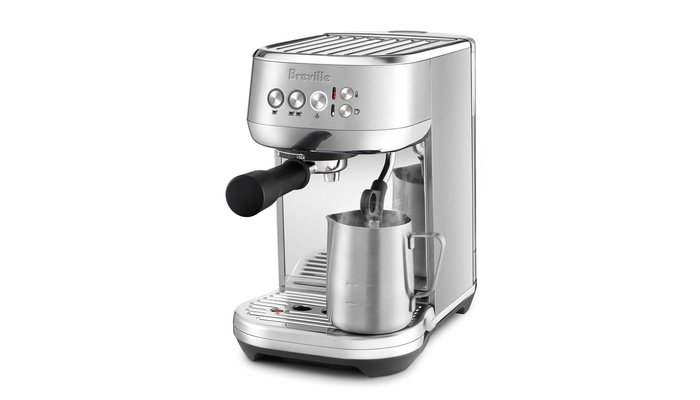
Espresso demands the right beans, typically medium-dark to dark roastswith oils that extract into a syrupy, crema-topped shot. The Breville Bambino Plusis our compact machine for pulling those shots at home.
Key Specifications
Why It Matters for Beans
Espresso concentrates flavor, so bean quality is exposed, a great dark-roast blend sings, while a delicate light roast can taste sour under high pressure. The Bambino’s PID control lets you tune temperature to the bean: slightly cooler for light, hotter for dark. It’s the machine that makes your espresso beans shine.
What Could Be Improved
No built-in grinder (pair with OXO). Small water tank. Requires technique, though auto features help. At $499.95 it’s an investment, but the bean payoff is real.
Pros
- 3-second ThermoJet heat-up
- PID tuning matches bean roast
- Auto steam wand for microfoam
- Ultra-compact 6.4-inch width
- Highest rating at 4.7/5
Cons
- No built-in grinder
- Small water tank
- Requires some technique
Brew Pour Over. Cosori Pour Over Coffee Maker
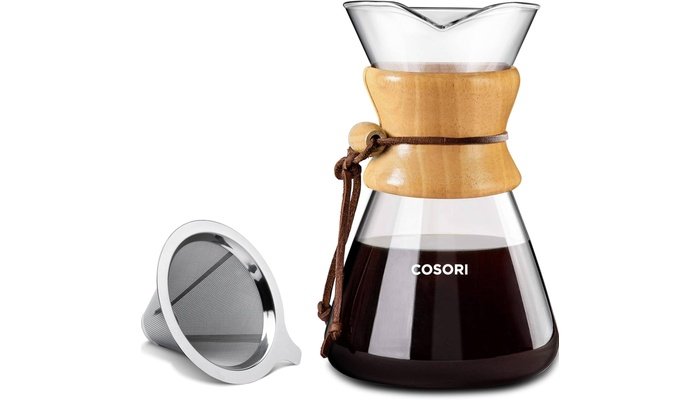
If you want to taste a bean’s terroir, pour overis the method, and it loves light to medium roastswith bright, fruity origins like Ethiopia or Kenya. The Cosori Pour Overmakes this accessible and affordable.
Key Specifications
Why It Matters for Beans
Pour over’s clean, controllable extraction is the best window into a bean’s origin character, florals, citrus, and tea-like clarity that darker methods bury. The Cosori’s reusable steel filter retains a touch of oils for body. For exploring single-origin light roasts, nothing beats it at $25.99.
What Could Be Improved
Needs a gooseneck kettle and steady hand. Steel filter lets slight sediment through. Requires separate grinder. But for bean appreciation, it’s the purist’s choice.
Pros
- Maximizes origin character clarity
- Reusable steel filter, no waste
- Affordable at $25.99
- Calming practical ritual
- 8-cup glass carafe
Cons
- Needs gooseneck kettle + technique
- Slight sediment vs paper
- Requires separate grinder
Grind On the Go. TIMEMORE Chestnut C2 Manual Grinder
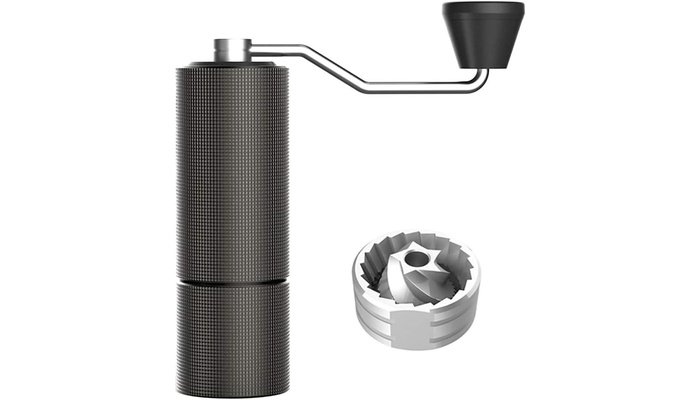
Fresh grinding shouldn’t stop when you travel. The TIMEMORE Chestnut C2lets you grind your favorite beans anywhere, at the office, camping, or a friend’s kitchen, with burr-level consistency and zero electricity.
Key Specifications
Why It Matters for Beans
Buying whole beans and grinding on demand, even manually, keeps your coffee at peak freshness wherever you are. The CNC burr produces a uniform grind that respects your beans’ character, and the compact size slips into any bag. For bean lovers who travel, it’s essential.
What Could Be Improved
Hand-cranking takes effort, especially for espresso-fine. 25 g capacity is single-serving. Not for high-volume households. But for portable fresh grinding, it’s superb.
Pros
- Precision CNC burr, consistent grind
- Silent, portable, no power needed
- Repeatable coarseness dial
- Durable all-metal build
- Great value at $49.99
Cons
- Requires hand-cranking effort
- Single-serving 25 g capacity
- Slow for daily multi-cup use
9. Buying Guide: Choosing the Right Beans
Now that you know the gear, here’s how to pick beans that match your taste and method:
Understand Roast Levels
Light roastsare bright, acidic, and floral, best for pour over and drip, showcasing origins like Ethiopia. Medium roastsare balanced and flexible (caramel, nutty), good for all methods. Dark roastsare bold, smoky, and low-acid, good for espresso and French press. Choose by the flavors you enjoy, not just by caffeine.
Know Your Origins
Ethiopia/Kenya:fruity, floral, tea-like (light roasts). Colombia:caramel, red apple, balanced (medium). Brazil:chocolate, nuts, low-acid (espresso blends). Guatemala/Sumatra:spice, earth, full body (dark). Single origins highlight one region; blends balance multiple for consistency.
Match Beans to Method
Best coffee beans for espressoare usually medium-dark with some oil and sweetness for crema. Best coffee beans for pour overare lighter, floral single origins. Drip handles medium blends. French press loves coarse-ground dark roasts. Always grind to match.
Single Origin vs Blend
Single origin vs blend: single origins are traceable, distinctive, and best for filter methods; blends are made for balance and consistency, often formulated for espresso. Beginners often start with a quality blend, then explore single origins.
Arabica vs Robusta
Arabica vs robusta: Arabica is sweeter, more aromatic, and higher-grown (most specialty coffee). Robusta is harsher, higher-caffeine, and common in inexpensive blends and Italian espresso for crema. Seek 100% arabica for quality.
Freshness & Storage
Buy roasted within 2–4 weeks of use. Store beans in an airtight container away from light, heat, and air, never the fridge (moisture). Whole beans stay fresh ~2–4 weeks; ground coffee degrades in minutes. This is why a grinder (OXO or TIMEMORE) is the bean’s best friend.
10. Frequently Asked Questions
Light or dark roast, which has more caffeine?
By volume, light roast has slightly more caffeine (denser beans). By weight, they’re nearly equal. The perceived “stronger” kick of dark roast comes from bitterness, not caffeine. Choose roast for flavor, not stimulation.
What beans should a beginner buy?
Start with a medium-roast blend labeled for “all purposes” or “drip & espresso.” It’s forgiving across methods and lets you learn your preferences before chasing single origins. Look for a recent roast date and 100% arabica.
How should I store coffee beans?
In an opaque, airtight container at room temperature, away from light and heat. Avoid the fridge (condensation) and freezer unless long-term vacuum-sealed. Buy smaller amounts more frequently for peak freshness.
Can I use the same beans for espresso and pour over?
Yes, but with different grinds. A medium roast works for both, fine for espresso, medium-coarse for pour over. Very dark beans suit espresso; very light beans shine in pour over. Adjust the grind, not necessarily the bean.
Whole bean or pre-ground?
Always whole bean. Pre-ground coffee loses 60–80% of its aroma within 15 minutes of grinding. A $25–$100 grinder transforms your beans more than upgrading the brewer does.
11. Final Verdict
Understanding coffee beansis the final key to great coffee, but beans are only as good as the gear that brews them. Our 2026 pairing:
Grind fresh, always:The OXO Brew Conical Burr($99.95) unlocks your beans’ aroma at home; the TIMEMORE C2($49.99) does it on the go.
Brew to the bean:The Technivorm Moccamaster($369) showcases medium roasts in drip; the Cosori Pour Over($25.99) reveals light-roast origins; the Breville Bambino Plus($499.95) pulls dark-roast espresso.
Choose beans by roast and origin that match your palate and method, grind moments before brewing, and store whole and airtight. Master these basics, and every cup becomes the one you actually wanted.
Some links on this page are affiliate links. If you purchase through these links, we may earn a small commission at no extra cost to you. Our editorial content is created independently, and commissions do not influence our recommendations. Learn more.


