
1. Introduction
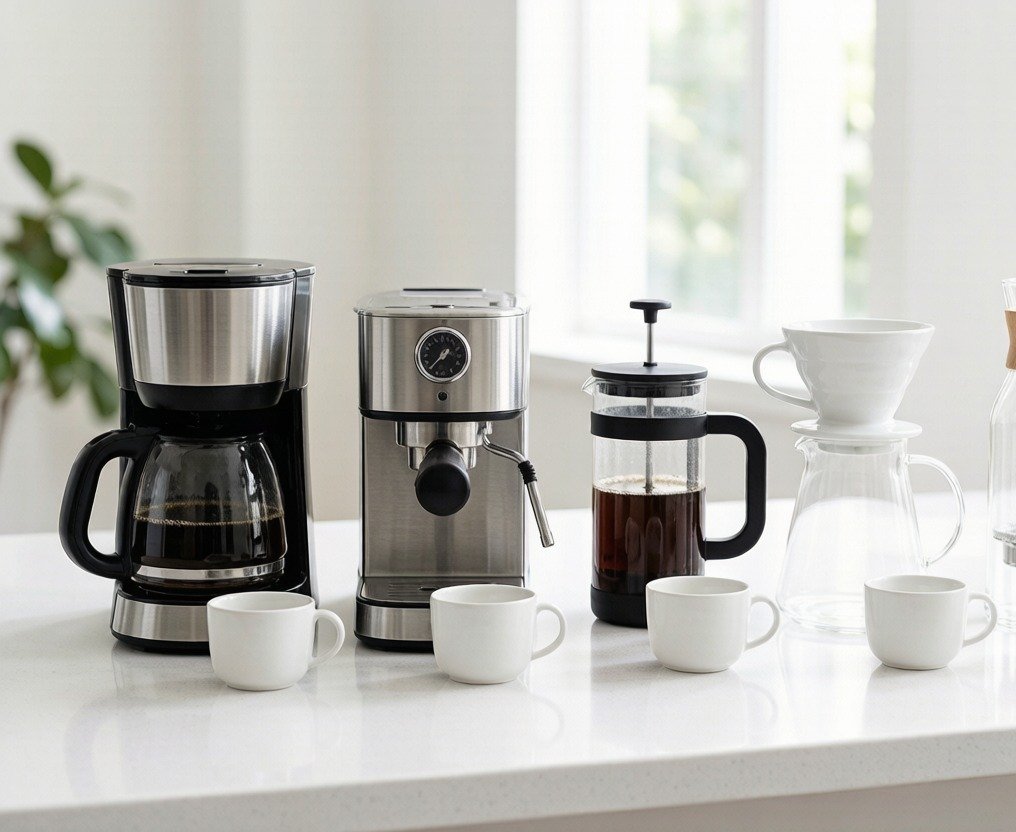
Coffee is not one drink, it’s many, defined by how you brew it. The same beans can taste bright and tea-like as a pour over, bold and syrupy as an espresso, or smooth and sweet as a cold brew. Understanding brewing methodsis the key to finding the cup that matches your taste, schedule, and kitchen.
In this guide to brewing methods, we break down the five most popular techniques, drip, espresso, pour over, French press, and cold brew, explaining how each works, what gear you need, and how they differ in flavor, body, and caffeine. For every method we recommend one top product available on Amazon, so you can start brewing immediately.
Whether you want a hands-off morning pot or a meditative weekend ritual, there’s a method (and a machine) for you below.
2. How We Evaluated
Our Evaluation Approach
At Aesthetic Brew, we compare coffee equipment using manufacturer specifications, retailer listing details, documented features, and documented owner feedback (including verified Amazon reviews). We do not operate an original in-house testing lab, so our rankings reflect how each model’s published specifications and real-world owner experiences line up with common household needs:
Extraction Quality (30%):Assessed from manufacturer specifications, documented brew parameters, and owner feedback on crema, flavor clarity, and temperature consistency.
Build & Design (20%):Materials, footprint, water-tank access, and finish evaluated from product documentation and owner reports.
Ease of Use (20%):Setup and daily routines rated from documented workflows and owner feedback for beginners and experienced users.
Value for Money (15%):Features and performance weighed against the listed retail price and typical maintenance costs.
Customer Feedback (15%):Cross-referenced with verified Amazon reviews and other public owner feedback.
3. Quick Comparison Table
Here’s how the five methods stack up in our brewing methods guide:
| Method | Equipment | Brew Time | Body | Effort | Best For |
|---|---|---|---|---|---|
| Drip | Technivorm Moccamaster | 6 min | Medium | Low | Daily batches |
| Espresso | Breville Bambino Plus | 2 min | Heavy | Medium | Lattes & shots |
| Pour Over | Cosori Pour Over | 4 min | Light–Medium | Medium | Flavor clarity |
| French Press | ESPRO Go P0 | 8 min | Heavy | Low–Medium | Full-bodied cups |
| Cold Brew | Hario Cold Brew | 12+ hrs | Smooth | Low | Iced coffee |
Drip Brewing. Technivorm Moccamaster KBGV Select
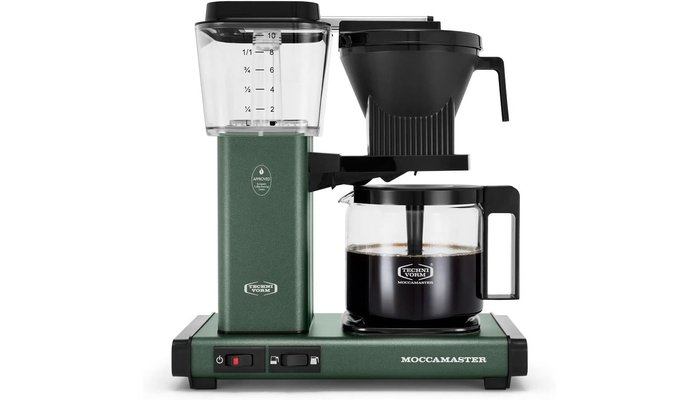
Drip brewingis the everyday workhorse of coffee, hot water drips through a bed of ground coffee and a paper or metal filter, producing a clean, balanced cup by the pot. For the finest home drip experience, the Technivorm Moccamaster KBGV Selectis our top recommendation.
Key Specifications
What We Loved
The Moccamaster’s SCA certificationmeans it hits the precise 196°F–205°F brewing temperature and ideal contact time for optimal extraction, something most drip makers miss. The adjustable drip-stop lets you customize flow rate by roast. The result is exceptionally clean, flavorful drip coffee, and with a 5-year warranty and 15+ year lifespan, it’s a lifetime investment.
What Could Be Improved
At $369 it’s a high-quality purchase. There’s no programmable timer, and the glass carafe relies on a hot plate that can scorch coffee left for hours. For those wanting convenience features, a programmable drip maker may suit better, but none match the Moccamaster’s brew quality.
Pros
- SCA-certified optimal brewing temperature
- Adjustable drip-stop for roast customization
- Hand-built, 5-year warranty, 15+ year life
- Exceptionally clean, balanced flavor
- Beautiful design, many color options
Cons
- high-quality $369 price point
- No programmable timer
- Glass carafe can scorch if left on plate
Espresso. Breville Bambino Plus
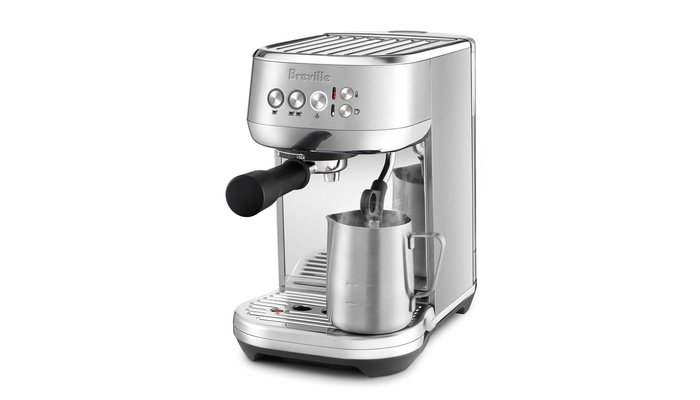
Espressoforces hot water through finely-ground coffee under high pressure, producing a concentrated, intense shot with crema, the base for lattes, cappuccinos, and Americanos. The Breville Bambino Plusdelivers prosumer espresso in the smallest footprint we’ve tested.
Key Specifications
What We Loved
The ThermoJet heatingreaches brewing temperature in 3 seconds, no warm-up wait. The auto steam wand textures microfoam at the touch of a button, and PID control keeps shot temperatures consistent. At 6.4 inches wide, it fits anywhere. The 4.7-star rating across 8,500+ reviews makes it our favorite compact espresso machine.
What Could Be Improved
No built-in grinder (budget $50–$200 extra). The 64 oz water tank fills quickly when entertaining. Espresso requires more technique than other methods, though the auto features soften the learning curve.
Pros
- 3-second ThermoJet heat-up
- Auto steam wand for easy microfoam
- Ultra-compact 6.4-inch width
- PID temperature consistency
- Highest rating at 4.7/5
Cons
- No built-in grinder
- Small water tank for groups
- Requires more technique than drip
Pour Over. Cosori Pour Over Coffee Maker
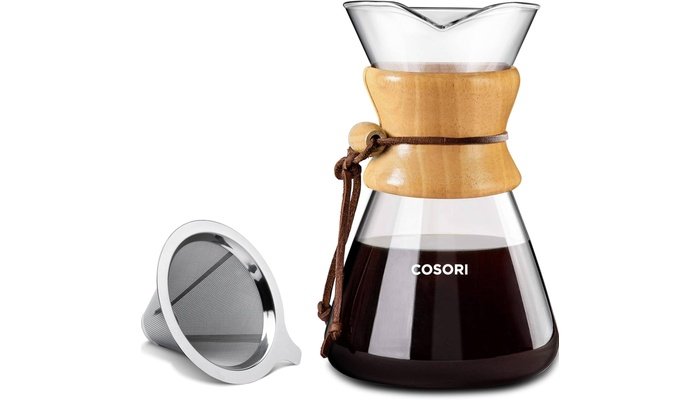
Pour overis the purist’s method, you manually pour hot water over a bed of grounds in a filter, controlling flow and saturation for maximum flavor clarity. The Cosori Pour Over Coffee Makermakes this ritual accessible with a reusable double-layer stainless steel filter.
Key Specifications
What We Loved
The double-layer stainless steel filteris reusable (no paper waste) and produces a clean cup while retaining a touch of oils for body. The borosilicate glass carafe is sturdy and the wooden collar stays cool to the touch. At $25.99, it’s an incredibly affordable entry into pour over coffee, and the 8-cup capacity serves small groups. The ritual of slow pouring is genuinely calming.
What Could Be Improved
Pour over demands a gooseneck kettle and a steady hand for best results, more effort than drip or French press. The steel filter lets a little more sediment through than paper. You’ll also need a separate grinder for fresh grounds.
Pros
- Reusable double-layer steel filter
- Affordable at $25.99
- 8-cup borosilicate glass carafe
- Maximum flavor clarity and control
- Calming practical ritual
Cons
- Needs gooseneck kettle and technique
- Slightly more sediment than paper
- Requires separate grinder
French Press. ESPRO Go P0 Ultralight French Press
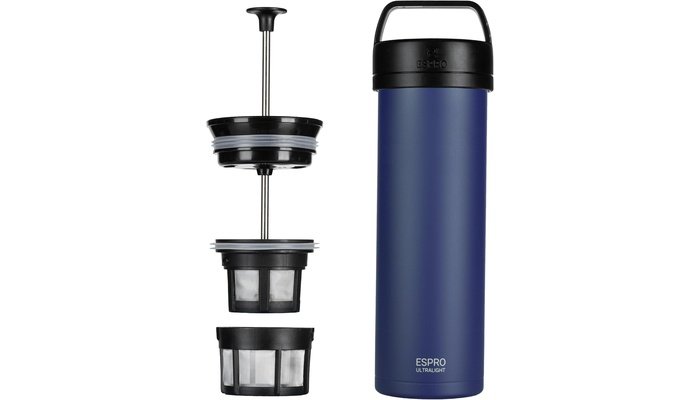
French pressis full immersion, coarse grounds steep in hot water, then a metal mesh plunger separates them, yielding a heavy-bodied, rich cup with oils intact. The ESPRO Go P0is our pick: an ultralight, travel-ready press that doesn’t compromise on filtration.
Key Specifications
What We Loved
The double micro-filtertraps far more sediment than standard presses, giving a cleaner yet still full-bodied cup. At just 0.4 lb, the ESPRO Go P0 is genuinely packable for camping, travel, or the office. The Tritan body is shatterproof, a real advantage over glass presses. For French press brewingon the go, nothing beats it.
What Could Be Improved
The 12 oz capacity serves only one to two small cups, not good for families. Immersion brewing requires a 4-minute steep and coarser grind, and cleanup of the mesh filter takes a moment. Glass french presses look more elegant on a counter.
Pros
- Double micro-filter traps sediment
- Ultralight 0.4 lb, travel-ready
- Shatterproof Tritan body
- Rich, full-bodied immersion brew
- Affordable at $29.95
Cons
- Small 12 oz capacity
- 4-minute steep + coarse grind needed
- Less elegant than glass presses
Cold Brew. Hario Cold Brew Coffee Wine Bottle
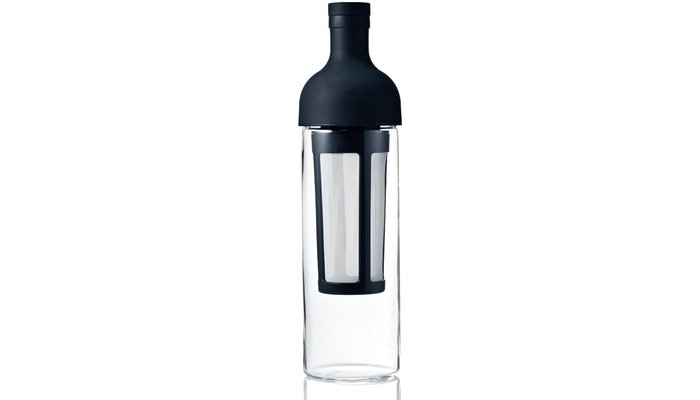
Cold brewsteeps coarse grounds in cold water for 12+ hours, producing a smooth, low-acid, naturally sweet concentrate good for iced coffee. The Hario Cold Brew Coffee Wine Bottleis an elegant, space-saving way to make it at home.
Key Specifications
What We Loved
The slim wine-bottle shape fits neatly in any fridge door, and the removable mesh filtermakes filling and cleaning effortless. Cold brew’s long steep extracts less acid and bitterness, yielding a silky, sweet concentrate you dilute with water or milk over ice. With 3,400+ reviews, the Hario is the trusted standard for cold brew vs iced coffeefans who want the real thing at home.
What Could Be Improved
It requires planning, you can’t make cold brew on demand; the 8–12 hour steep means brewing the night before. The 650 ml yield is modest. Glass is elegant but breakable, so handle with care.
Pros
- Slim fridge-door-friendly bottle
- Removable mesh filter, easy cleanup
- Smooth, low-acid sweet concentrate
- Trusted Hario quality, 3,400+ reviews
- Affordable at $27.50
Cons
- 8–12 hour steep requires planning
- Modest 650 ml yield
- Glass is breakable
9. Buying Guide: Which Method Is Right for You?
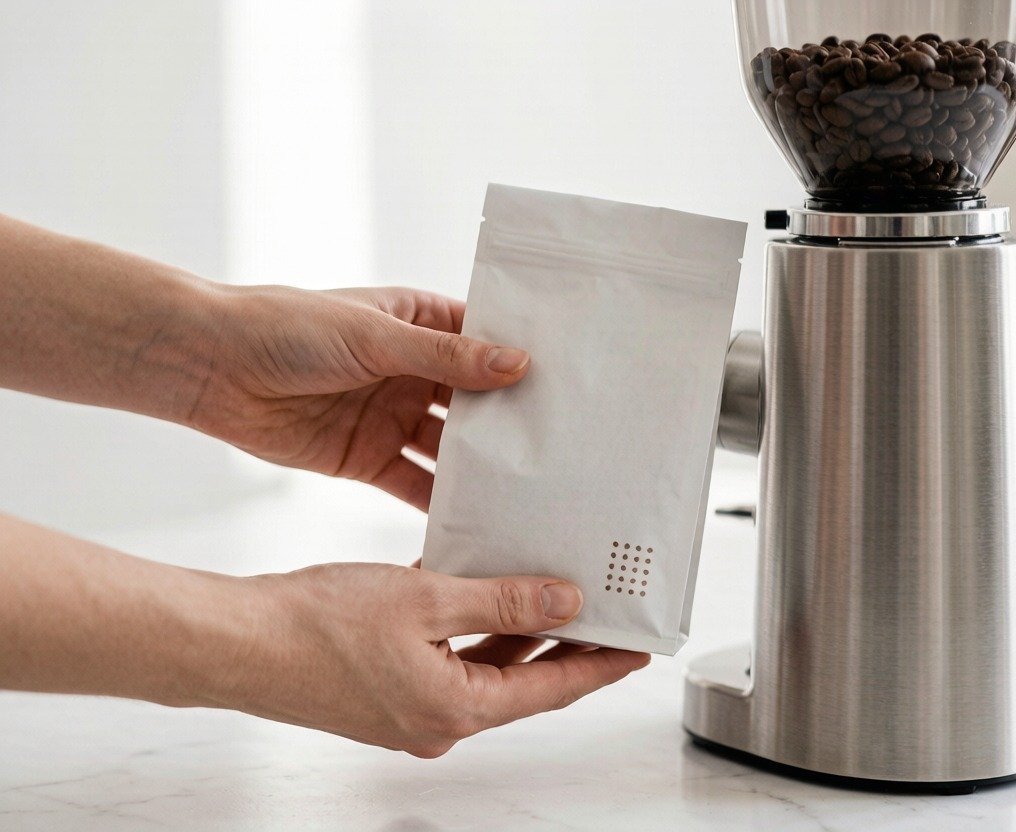
Choosing a brewing methodcomes down to your taste preferences, time, and how much ritual you enjoy. Here’s our quick decision framework:
By Flavor
Want bright, tea-like claritythat shows off origin character? Choose pour over. Prefer bold, intense, milk-friendlydrinks? Espressois your method. Love heavy, full-bodied, oilycups? French pressdelivers. Want smooth, sweet, low-acidiced coffee? Cold brew. Need reliable, balanced everydaypots? Drip.
By Time & Effort
Lowest effort:Drip (set and forget) and cold brew (steep overnight). Medium:Espresso (2 min active, some skill) and French press (4 min steep). Most practical:Pour over (active 3–4 min pour). If mornings are rushed, drip or a programmable maker wins.
By Equipment Investment
Pour over ($25), French press ($30), and cold brew ($27) are the cheapest entry points, just add a kettle and grinder. Drip ranges $100–$370. Espresso is the priciest ($120–$1,000+) and needs a separate burr grinder. Start cheap, then upgrade to the method you love most.
Caffeine Considerations
Despite espresso’s intensity, a typical espresso vs drip caffeinecomparison shows an 8 oz drip cup actually contains more total caffeine (~95 mg) than a 1 oz espresso shot (~63 mg) — though espresso is far more concentrated per ounce. Cold brew concentrate is potent but usually diluted.
10. Frequently Asked Questions
Which brewing method is healthiest?
All coffee is rich in antioxidants. Paper-filtered methods (drip, pour over) remove more oils (diterpenes) linked to cholesterol, while French press and espresso retain them. Cold brew is lower in acid, which some find gentler on the stomach. The “healthiest” is simply the one you’ll actually enjoy drinking black.
Can I use the same beans for every method?
Yes, but grind size must change: fine for espresso, medium for drip/pour over, coarse for French press/cold brew. The bean roast also matters, lighter roasts shine in pour over, darker roasts suit espresso and French press. A good burr grinder makes method-switching easy.
Is pour over better than French press?
Neither is “better” — they’re different. Pour over gives cleaner, brighter cups with more clarity; French press gives heavier, fuller-bodied cups with more oils. French press vs pour overis a matter of mouthfeel preference. Many enthusiasts keep both.
Why is cold brew less acidic?
Cold water extracts acids and bitter compounds far less than hot water. The long, cold steep yields a smooth, sweet profile that’s easier on sensitive stomachs, though it also extracts less of some aromatic compounds, hence the milder flavor.
Do I need special equipment for each method?
Drip and espresso need their machines. Pour over, French press, and cold brew are low-tech, a dripper, a press, or a bottle plus a kettle and burr grinder. A quality grinder is the one tool that benefits every method.
11. Final Verdict
There’s no single “best” brewing method— only the one that fits your life. Here’s our 2026 recommendation:
Everyday batches with zero fuss?The Technivorm Moccamaster($369) makes SCA-certified drip worth the counter space.
Lattes, cappuccinos, intense shots?The Breville Bambino Plus($499.95) delivers prosumer espresso in a tiny footprint.
Flavor clarity and a calming ritual?The Cosori Pour Over($25.99) is the affordable purist’s choice.
Heavy, full-bodied, no-fuss cups?The ESPRO Go P0($29.95) travels anywhere and filters cleanly.
Smooth iced coffee all summer?The Hario Cold Brew($27.50) steeps overnight in your fridge door.
Start with the method that matches your mornings, and don’t be afraid to explore others. That’s the joy of coffee.
Some links on this page are affiliate links. If you purchase through these links, we may earn a small commission at no extra cost to you. Our editorial content is created independently, and commissions do not influence our recommendations. Learn more.


